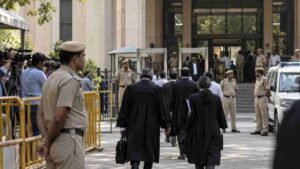
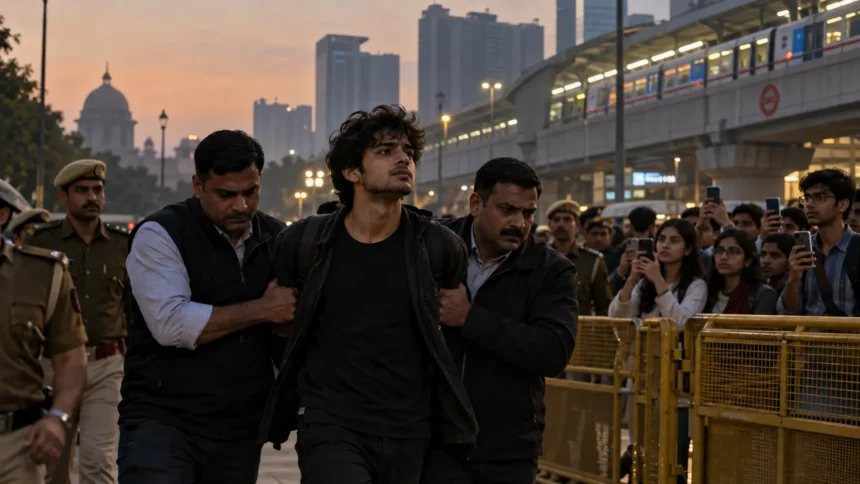

The events of October 10 unfolded on real time for a generation that does most of its politics through a phone. It is concerning that the leader of the Cockroach Janta Party, Abhijeet Dipke, did not make it to the protest he had organised. He was arrested, together with Saurav Das and Ashutosh Ranka, the other two conveners, by Delhi Police who boarded the plane and took him into custody. The YouTuber with one of the country’s largest political audience, Dhruv Rathee, was also arrested. By Sunday, both men were speaking, and what they said is the real story.
Start with Rathee as his account is the more dramatic one. Shortly after coming out of prison, he released a video with a blunt caption, “I was not arrested or detained, I was KIDNAPPED.” He claimed that around 7 am, about 20 people in plain clothes broke into his house in Gurugram while he was sleeping and he was shifted from police station to police station. He said that for about 22 to 23 hours he was not able to reach his lawyer or use the phone. He has also stated that he did not sign any bond or undertaking for his release and that the incident was an “undeclared Emergency.”
He also tackled the rumours that followed him. According to some reports, he wasn’t a citizen of this country, and had no right to be at the demonstration. In his video, he held up what he said was his Indian passport and said those claims were lies. “I am, was and will remain an Indian citizen,” he said, adding further on that he too, like anyone else, possesses the same right to protest.
The tone of Dipke’s speech was different, but the message was the same. A Delhi court released him and the two co-conveners on Sunday. Delhi Police said that they had issued them on a surety bond worth of ₹50,000 for maintaining peace and good behaviour for one year while they were in the custody of the police. Dipke took the interpretation to be otherwise. He had questioned the prime minister before getting ready to go to Delhi, “Why is the prime minister afraid of the nation’s youth?” He subsequently announced to his followers that “The CJP will not back down, and will not be intimidated.” To Reuters he said that the movement had signed nothing barring protest, “We will hit the streets again.
It is in just to say that Rathee’s allegations are his own and that the police have stated it was a lawful process. Both versions should be tested in court. However, the reading of this by young India is not determined by legalese. It is influenced by its environment. A city that has been closed to its young people after a lockdown to stop the protest and then reopened the stations of its metro system and restored mobile internet only after the event, was a message from the state to the young. So, too, are the reports that college officials and the PG owners were contacted by the police to dissuade students from participating.
More Read
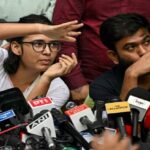
What the state might not have anticipated is the reception it will get from a people that have been raised on the promise of the biggest democracy in the world. Young Indians are not expecting much. They are seeking employment, a viable voter register and government answers to questions. The CJP, which was born in jest, provided them with a means to express it with humor. If they put up barricades at the airport, a one-year peace bond, and no fairness, what’s the joke? The joke stops being funny and starts looking like a test. Many on this generation are drawing a simple conclusion, that peaceful protest is acceptable in India only if it is small, quiet and far from the seats of power.
That is a risky appraisal, and not just for the opposition. If the government is confident about its mandate, it shouldn’t fear a student crowd or the first-time voters. It implies the opposite when it comes to preventive custody for those who organize or amplify such a gathering. It would have cost far lesser to allow the protest to take place in a visible, proportionate policing manner, and then respond to its demands on their merits.
Dipke has vowed to return. Rathee has expressed his gratitude to his followers and continued speaking. If it’s a bigger or smaller, quieter or louder event next, will depend on what the state does now. Through dialogue, the movement might turn into normal politics if the young are encountered. If they are encountered again with lockdowns, they will not go away. They will cease to wait for equities, and a generation that no longer expects fairness s is the toughest for any government to govern.