
The CBI chargesheet in the NEET-UG 2026 paper leak case has laid bare a startling lapse at the National Testing Agency. Subject expert PV Kulkarni, tasked with back-translation work on the chemistry section, was given blank sheets for rough work inside the confidential section where the question paper was being finalised. According to the agency, he used those sheets to note down all 135 chemistry questions along with their answer options on small chits and walked out of the premises without being stopped.
The chargesheet states there was no practice of frisking or checking experts at entry or exit from the confidential section at NTA headquarters. For simpler questions, the accused could simply memorise them and write them down later in a hotel room. Kulkarni performed the back-translation work over three days from 31st March to 2nd April. The absence of basic security protocols turned a controlled environment into an open doorway for the leak.
Kulkarni, a chemistry expert on the NTA panel since 2019, was one of three subject experts named as primary sources of the leak. The others, Manisha Mandhare (botany) and Manisha Havaldar (physics), are also accused of extracting questions during the moderation and translation stages. The CBI says the three compiled brief lists of questions on chits while working inside the NTA facility and later dictated them to selected students during private coaching sessions in Pune.
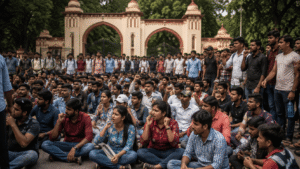
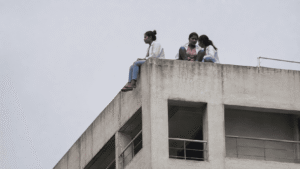
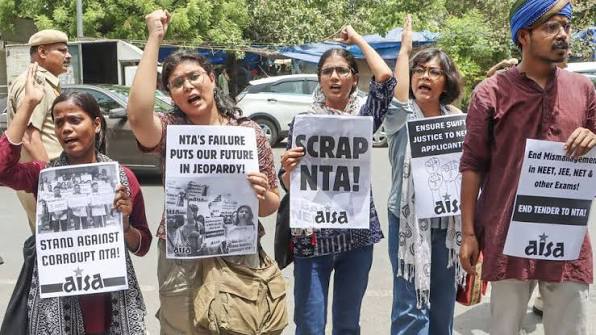
The leak triggered the cancellation of the original May 3 examination, nationwide protests and the resignation of the then education minister. Thirteen people have been charged, including the three experts. Investigators recovered handwritten notes from candidates that matched the actual question paper. Forensic examination confirmed the overlap. Kulkarni is alleged to have earned at least ₹21 lakh from the operation.
What stands out is not merely individual wrongdoing but the institutional fragility that made it possible. Experts handling the most sensitive material in a national entrance examination were allowed to work with blank paper and leave without any physical check. No live CCTV monitoring of the process is mentioned as a consistent safeguard. The system relied on signed confidentiality declarations while providing the practical means to violate them.

The Public Examination (Prevention of Unfair Means) Act, 2024, was meant to deter exactly this kind of breach. Yet the chargesheet shows that the procedural safeguards inside the NTA itself were so weak that an expert could remove the entire chemistry paper on chits in plain sight of the process. For lakhs of students who prepared for years, the revelation confirms that the integrity of the examination rested on arrangements that failed at the most elementary level of physical security.
The case continues in court. The larger question It leaves is whether the testing agency has closed the gaps that allowed a paper to walk out of its own confidential section on scraps of paper.