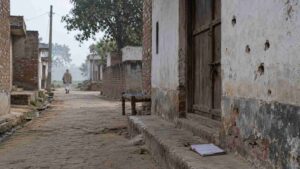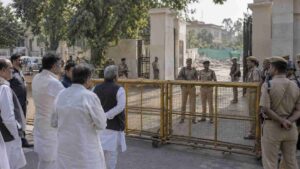


On 14 September 2020, a 19-year-old Dalit woman was assaulted in a field in Boolgarhi village of Hathras district while collecting fodder with her mother. She sustained severe spinal injuries and named four Thakur men in her statements. She died on 29 September 2020 at Safdarjung Hospital in Delhi. Her body was cremated by the administration in the early hours of 30 September under heavy police presence. The family said they were not allowed to perform the last rites themselves.
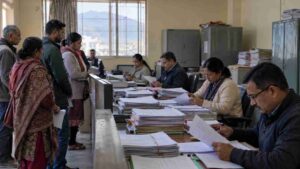
The case triggered widespread protests and sharp criticism of the initial police handling. An FIR was registered after delay. The CBI later took over the investigation. In March 2023, the special SC/ST court in Hathras convicted one accused Sandeep of culpable homicide not amounting to murder and under the SC/ST Act. He was sentenced to life imprisonment. The other three accused were acquitted of all charges including rape. No conviction for gang rape was recorded.
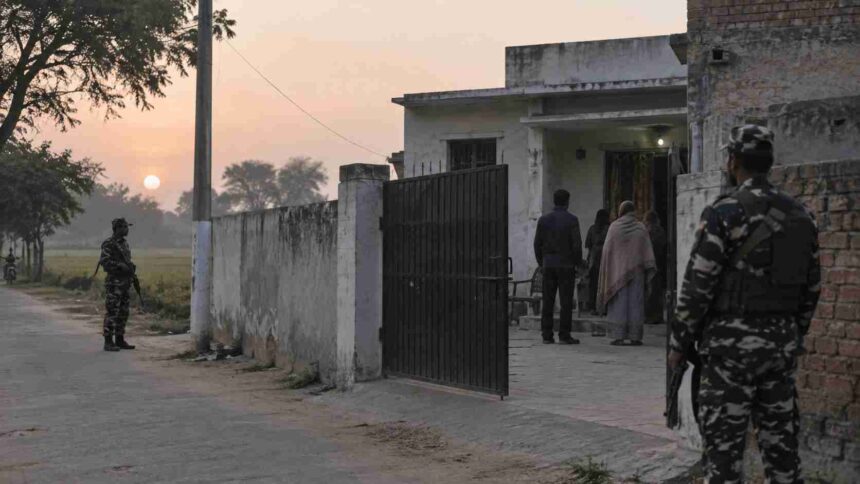
The family has lived under continuous security cover since the incident. Younger members attend school with CRPF escort. They have repeatedly sought relocation away from the village citing safety concerns and social pressure. The Uttar Pradesh government earlier offered housing in Kasganj, Etah or Aligarh. The family declined those locations.
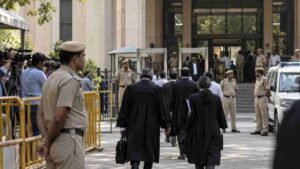
In August 2026, the Allahabad High Court directed the state to rehabilitate the family in Ghaziabad or Noida and provide a job to one member within three months. The court noted unnecessary resistance by the administration and described earlier decisions that ignored the family’s preferred locations as no decision in the eyes of law. A compliance affidavit has been sought. Non-compliance will require the personal appearance of the Additional Chief Secretary Home.
Six years after the assault, the legal outcome remains limited to a single conviction on a lesser charge. The family’s demand for secure relocation and livelihood support has moved from administrative offers to a time-bound High Court order. Whether that order is implemented within the fixed period will determine if the state’s commitments finally translate into a stable life outside the village where the crime occurred. The anniversary returns attention to both the unresolved questions around the original investigation and the continuing practical needs of the survivor’s family.