

The political ecosystem of the Hindi Heartland and its neighboring states relies heavily on utilizing legislative maneuvers to redefine the socio-cultural fabric of the Republic. Over the past few years, the state of Uttarakhand has actively functioned as the primary ideological laboratory for the “Mainstream State,” introducing deeply polarizing policies such as the Uniform Civil Code (UCC) and stringent anti-conversion statutes.
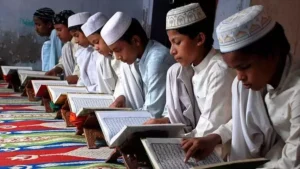
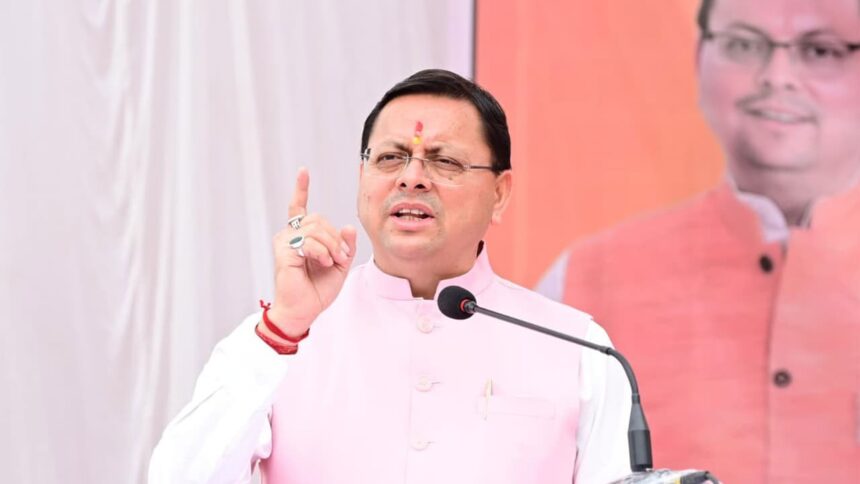
Even now the latest administrative development coming out of Dehradun is going in the same direction. As per the official statements, the state administration has officially done away with the Madrasa Board Act which has been in place for a long time and at the same time has put into force the new Uttarakhand Minority Education Act.
On the other hand, when the ruling elite massively promote this change as a positive move to modernize the education system, the truth revealed through a thorough civic and constitutional examination is extremely disturbing. The adoption of the Uttarakhand Minority Education Act is hardly a measure of giving education reforms but a well-planned strategy for wiping out the existence of institutions.
Article 30 of the Constitution of India explicitly safeguards the rights of religious minorities to set up and independently run their own educational institutions. Having a Madrasa Board dedicated to Islamic seminaries has, in practice, been a way to give these religious schools a well-known, self-governing system for handling their educational programs, finances, and cultural identity.
By disbanding this particular board and bringing these institutions under the single, uniform structure of the Uttarakhand Minority Education Act, the government in effect deprives the Muslim community of its specialized administrative organ. Civil rights watchdogs say this puts community-based schools in a strict bureaucratic situation where they are very much exposed to arbitrary government interference, withdrawal of funds, and ideological censorship.

To the middle-class taxpayer who is watching things unfold, the paradox about the state’s priorities is very obvious. “The Mainstream State” is reportedly confronted with a huge human capital crisis. On one hand, millions of young people are struggling with competitive exam paper leaks that have become an epidemic and unemployment has gone up. Then again, the administrative system, which is almost always too paralyzed to even manage securing an exam paper, suddenly gets its act together and moves at a breathtaking speed when the goal is to do away with minority educational boards.
Ultimately, true educational reform is achieved through funding, infrastructure enhancement, and capacity building—not through the systematic erosion of a minority community’s constitutional autonomy. The repeal of the Madrasa Board sets a chilling precedent, demonstrating how bureaucratic red tape is increasingly being utilized as a silent weapon for demographic and cultural subjugation.