

As Uttar Pradesh steadily approaches its highly anticipated 2027 Assembly elections, the political discourse is undergoing a familiar, yet highly calculated, transformation. The recent intensification of the UP Anti-Conversion Law Debate marks a distinct pivot by the political elite—moving the public conversation away from tangible governance metrics and back toward the deeply emotive realm of identity and demographic anxiety.
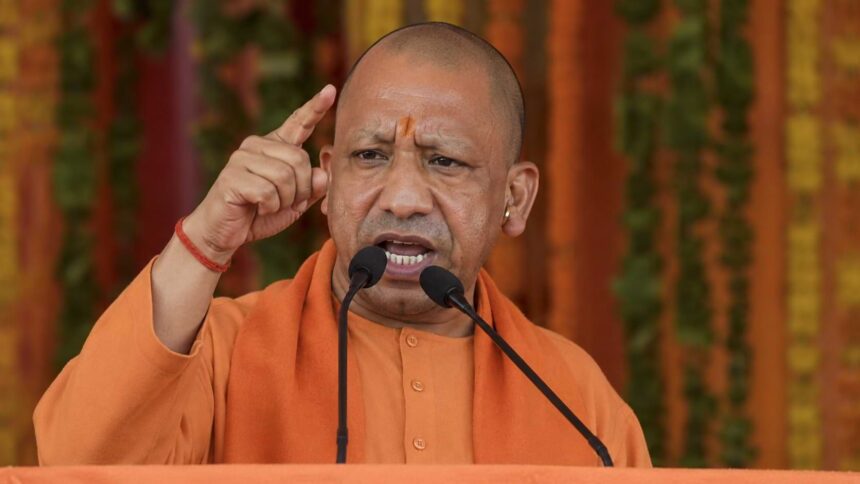
At the final event of Shri Ram Katha Mahotsav in Lucknow, Chief Minister Yogi Adityanath emphatically renewed the state government’s support for its 2020 anti-conversion law. Chief Minister caution the people that there is a plan to change the religious composition Clearly he brought up the very controversial topic of “love jihad”.
The chief opposition leader’s reaction was just as personalized. Samajwadi Party head Akhilesh Yadav responded sharply, accusing the Chief Minister of deviating from the Sanatan values and focusing on local property and land registrations in Gorakhpur rather than promoting brotherhood and truth.
According to a report, the verbal war comes as several states’ anti-conversion laws, including UP, Madhya Pradesh, and Gujarat, are still facing serious legal challenges in the constitutional courts.
However, for political analysts and the middle-class taxpayer, this sudden resurgence of the UP Anti-Conversion Law Debate reveals a broader strategic mechanism at play within the “Mainstream State.”
More Read
The Hindi Heartland is still negotiating serious internal problems: first, a heavy leak of competitive exam papers; second, the growing problem of young people without jobs; and third, major infrastructural weaknesses as reflected by the recent power shortages and the contentious utility price hikes. When the ruling party and the opposition come head to head making the biggest noise about religious demography and land registries, both make the best use of the situation to distract each other.
Focusing the pre-election story on emotional and cultural divisions, the politicians effectively shield themselves from having to do a thorough, fact-based check of their performance. People are gently pushed to make their voting decisions based on perceived threats to their way of life rather than on the government’s economic competence and the honesty of institutions. With 2027 coming closer, it is up to the voters to see if these kind of verbal fights really tackle the state’s long-term issues or just hide the deep problems of today.