
The OBC Reservation’s history is a reflection of India’s protracted fight for social justice for historically underrepresented groups. The Mandal Commission Report, which identifies socially and educationally disadvantaged communities, gave rise to the idea of Other Backward Classes (OBC). The turning point was the introduction of 27% reservation in the early 1990’s which sparked protest and support nationwide. OBC reservation eventually emerged as a key component of India’s affirmative action framework. Demands to raise quotas above current limits have complicated the situation in States like Madhya Pradesh. OBC reservation is not only policy issue but also a potent and political force influencing government because of these demands, which are motivated by political mobilization and demographic reality.
Article 15 (4) and 16(4)
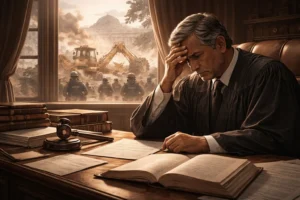
Article 15(4) and 16(4) permit the state to make special provisions for backward classes; however, the Supreme Court’s historic ruling in the Indra Sawheny case (1992) imposed 50% cap on total reservations, creating a legal boundary that remains central to ongoing debates. In recent years, attempts by various State’s governments to expand OBC quota have faced legal challenges, especially due to a lack of updated empirical data. As a result, admission and recruitment procedures have been postponed, underscoring the conflict between the pursuit of social justice and adherence to the Constitution.
Political Strategy and OBC
Political Strategy on OBC Reservation shows how closely this issue is linked to electoral politics. Political parties in India actively work to win over OBC voters, who make up the sizable portion of the electorate. These strategies sometimes prioritize short-term electoral gains over long term policy stability. Announcements are made with strong messaging, but they frequently run into legal obstacles, causing delays and confusion. This cycle of promise and litigation creates uncertainty among beneficiaries. Critics contended that government should concentrate on developing legally sustainable frameworks rather than short term Political advantages to ensure that policy are both effective and long lasting.
More Read

Public Reaction
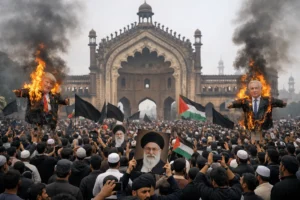
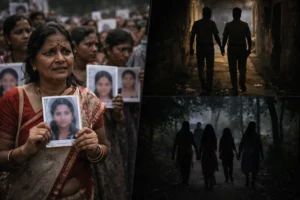
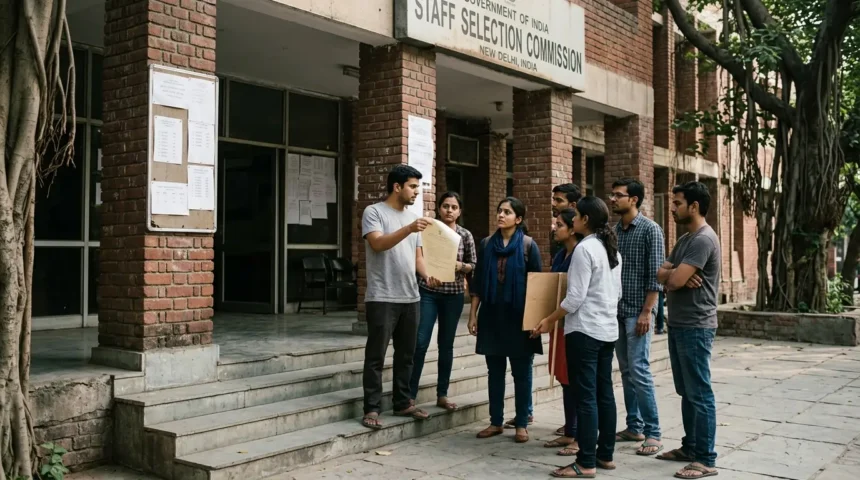
Due to delays, inconsistent policies, and competing interests among various social groups, public outrage about OBC reservations has grown. Due to delayed opportunities and halted recruiting process, which have a direct influence on this carers and means of subsistence, many OBC candidates express displeasures, concurrently some members of general category population voice concerns about merit and justice , sparking large discussions in society, the subject has become extremely delicate and divisive due to this dual discontent. Social media campaigns, protests and demonstrations have grown common place, expressing the general dissatisfaction. The Public Ire’s is further shocked by authorities’s lack of prompt resolution and transparent information, which makes it plan that the problem is about confidence, openness and effective governance rather than just reservation percentages.
Conclusion
More Read

The conclusion of the OBC Reservation debate indicates that addressing the persistent issues requires a fair and fact based strategy. Any modification to reservation policy must be backed by solid evidence and adhere to legal obligations, according to policy makers. Beyond reservation it is necessary to concentrate on enhancing economic possibilities, skill development education for all communities. By strengthening these areas, we can lessen our reliance on quotas and build a society that is more inclusive. Building Consensus and preventing recurring disputes need constructive communication between the public and, the judiciary and the government. The ability of OBC reserves policies to provide tangible benefits while upholding justice and constitutional integrity will ultimately determine their effectiveness