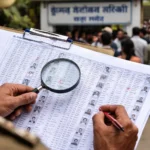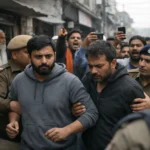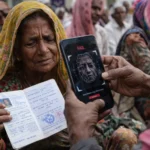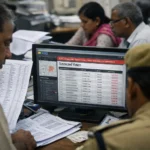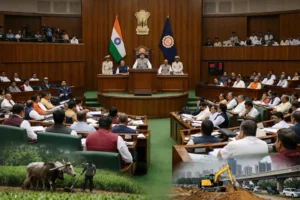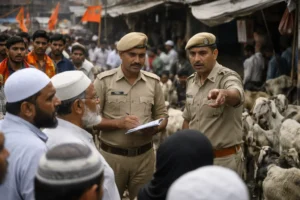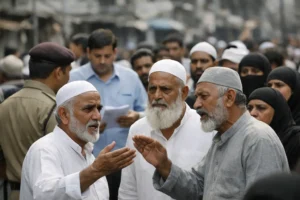
Lucknow: The controversy surrounding the deletion of 2.89 Crore voters from the Uttar Pradesh electoral rolls has deepened with new data coming to light. An analysis of the Draft Electoral Rolls released on January 6 indicates a statistically significant trend: constituencies with a high density of Muslim population have witnessed a sharper decline in voter numbers compared to the state average.
The Data Pattern
While the state-wide deletion average stands at roughly 18.7% (attributed to migration, death, and duplication), reports suggest that in specific urban constituencies in Western UP and Rohilkhand—regions with substantial minority populations—the deletion rate has crossed the 25-30% mark.
This empirical data provides weight to the allegations made by the Opposition. Just days ago, Samajwadi Party Chief Akhilesh Yadav accused the BJP government of “creating fake votes” and purging genuine ones to manipulate the demographic balance before the 2027 Assembly Elections.
The Administrative Defense
The Election Commission and the Chief Electoral Officer (CEO) of UP have maintained that the revision was a non-partisan exercise driven by software algorithms to weed out “Shifted” and “Dead” voters. They argue that urban areas (where many minorities reside) naturally have higher migration rates, leading to higher deletions.
The Faultline
However, civil rights activists argue that the “algorithm” used to flag suspects might have inherent biases or was applied more rigorously in specific booths. The suicide of a Booth Level Officer (BLO) in Sitapur recently highlighted the immense pressure on ground staff to meet deletion targets, raising fears that names were struck off without proper physical verification.
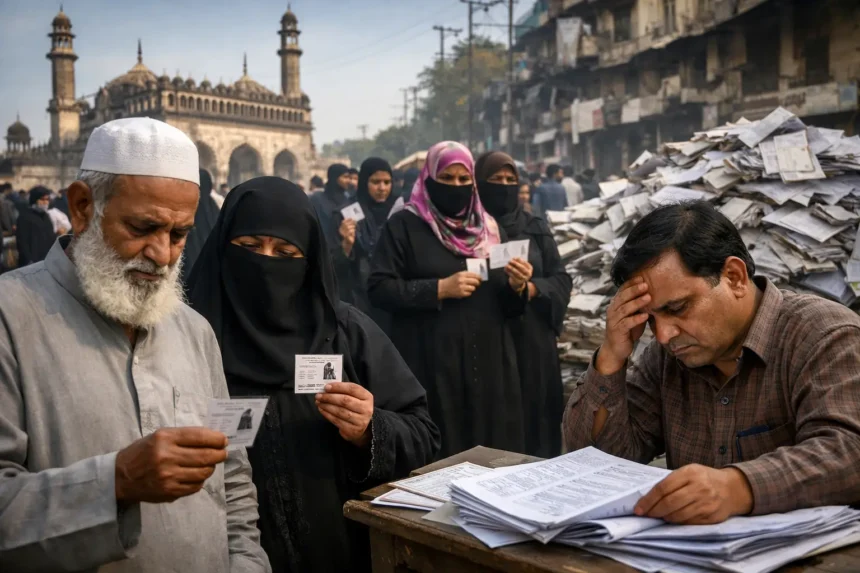
HEADLINE: Demographic Engineering? Data Analysis Reveals Higher Voter Deletions in Muslim-Majority Areas of UP

Pragya Mishra

Journalist1
Journalist1
Leave a Comment