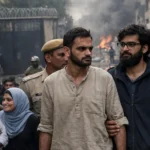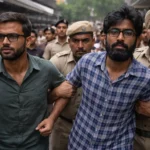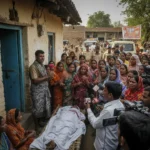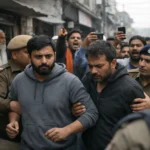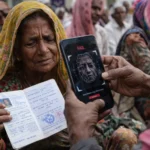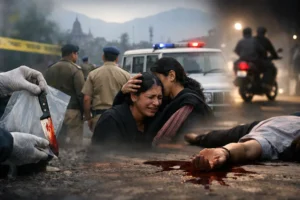
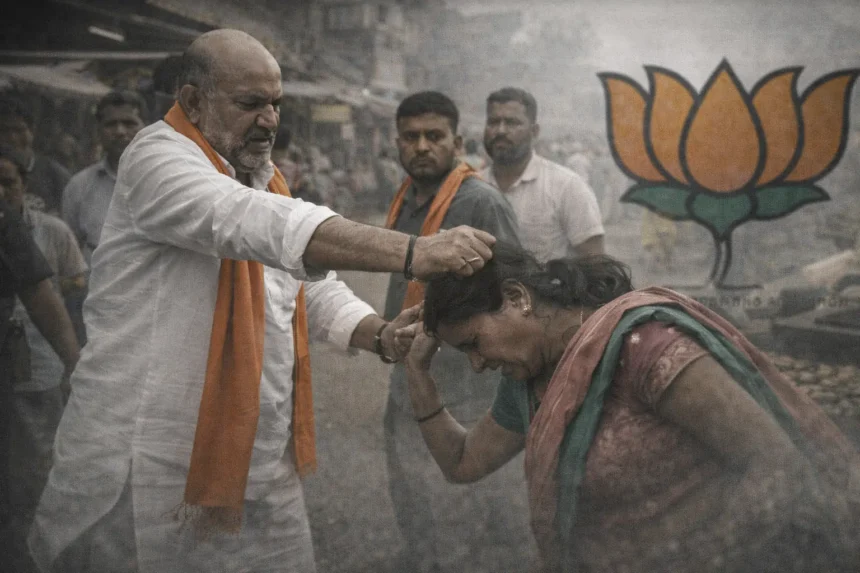

Tolerance is one of the prerequisites of democracy that leads to pluralism and inclusivity and it’s the outcome of strategic culture germinated in the country systematically. The recent violent incident in Madya Pardesh raised serious concerns about Indian democracy and pluralism. The incident happened in the Sidh district, Bihari market where a woman is beaten by the BJP leader and no one dares to stop the hand of the aggressor because of the widespread fear of the BJP and its outfits. This brutality raised questions regarding the power structure and use of power in Indian society.
“Law and order are the medicine of the body politic and when the body politic gets sick, medicine must be administered.”
— Often misused to justify force, yet deeply warning against arbitrary power.~Dr. B.R. Ambedkar
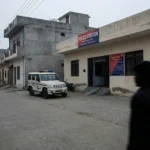
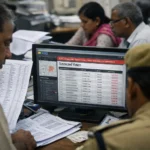
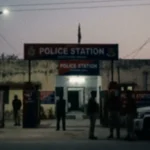
This is not only a political issue but a governance ssue as well because delayed police action.The police were totally unaware until video footage surfaced on social media and the public outrage started over delayed police action. However FIR has been registered in the local police station under the provision of ‘Bharatiya Nyaya Sanhita’.
“In the age of social media, the voice of one can echo around the world.”
~Mark Zuckerberg
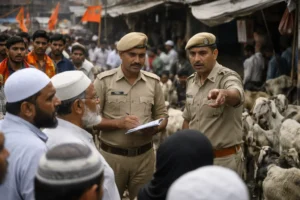
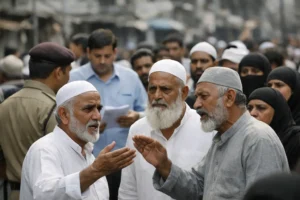
Madhya Pradesh has been grappled with violent activities from strongman politics to vingitalism and this is the tricle down effect of the BJP government coupled with RSS and Bajrangdal activities to distort social image of India. The Utrakhand incident is the flagrant example in this regard where Muhammad Deepak and his family are threatened by these outfits over his resistance to protect a Muslim from mob lynching.
In conclusion this brutal use of power under the patronage of authorities will not stop until and unless civil society played its pivotal role and challenges the superstructures of extremist government to uphold the spirit of our constitution that enshrined equal rights of all rich and poor, Hindu and Muslim, Dalits and Christians.